
Where makeup becomes the art of sculpting light.
Blog categories
Blog Search
Latest posts
-

-
 MAKE UP FACTS NO ONE TELL YOURead more ...
Because real beauty starts with understanding, not trends
Popular posts
-
MAKE UP FACTS NO ONE TELL YOUBecause real beauty starts with understanding, not trendsRead more ...
-
Featured posts
-
-
MAKE UP FACTS NO ONE TELL YOUBecause real beauty starts with understanding, not trendsRead more ...
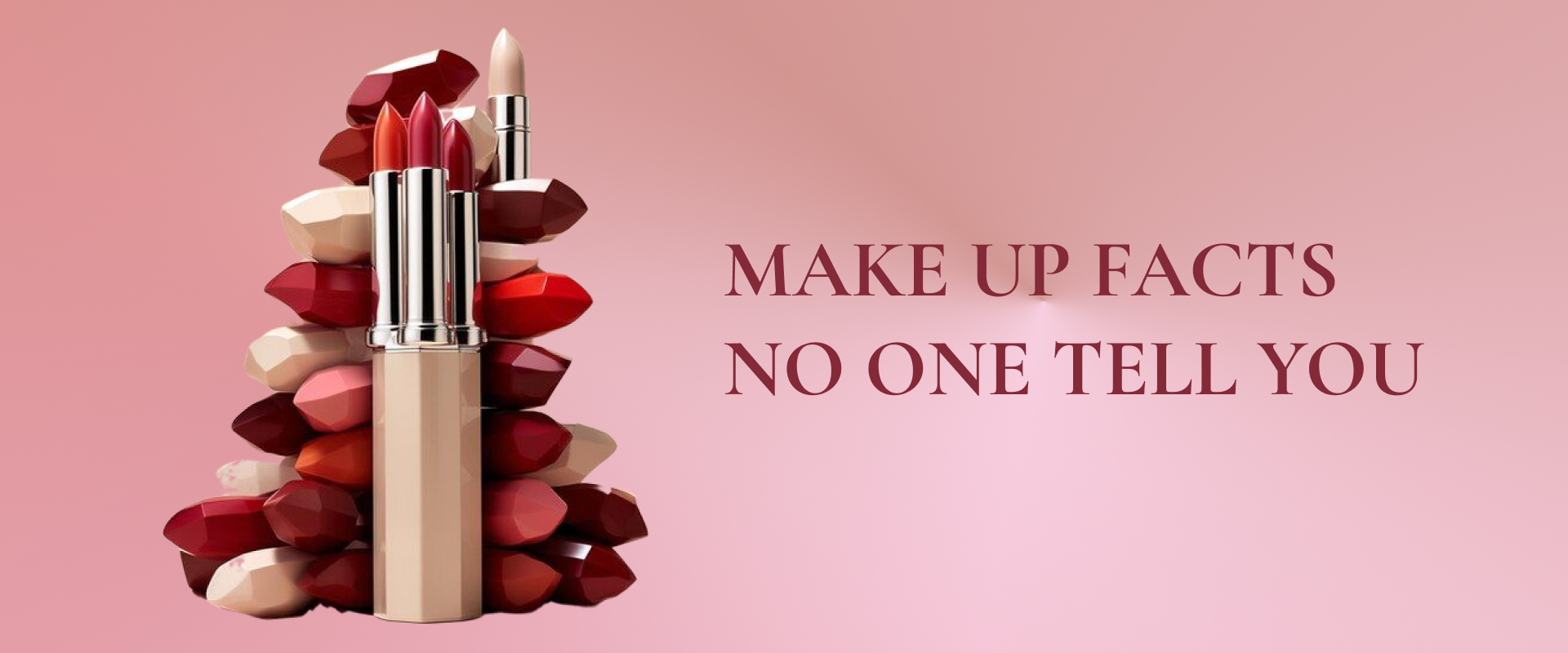
MAKE UP FACTS NO ONE TELL YOU
Why Makeup Knowledge MattersIn an age of filters and viral trends, makeup has become increasingly misunderstood. What we see online is often designed for a camera, not real life. Real beauty doesn't come from excess. It comes from knowledge—understanding how your skin works and what your products actually do. Real beauty doesn't come from excess. It comes from knowledge. Understanding how your skin works, what your products do, and why certain techniques matter more than others. This is not about perfection. It's about clarity. About making informed choices that serve you, not trends. About feeling confident in what you apply, and why. |
.png) |
.png) |
Makeup Fact #1 Makeup Is Only as Good as the Skin Beneath ItNo foundation, no matter how expensive or highly rated, can replace proper skincare. Makeup sits on top of your skin—it doesn't heal it, hydrate it, or improve its texture. If your skin is dehydrated, flaky, or congested, makeup will emphasize those issues, not conceal them. Foundation will cling to dry patches. Powder will settle into fine lines. Even the best products will look uneven on unprepared skin. This is why skin prep matters. Cleansing, moisturizing, and priming create a smooth, hydrated canvas. They allow makeup to blend seamlessly, wear longer, and look more natural. Skincare always comes first. Makeup is the finishing touch, not the foundation of beauty. |
|
Makeup Fact #2 Undertone Matters More Than Color DepthChoosing foundation isn't just about finding the right shade—it's about finding the right undertone. Your undertone is the subtle hue beneath your skin's surface: warm (yellow, peachy, golden), cool (pink, red, blue), or neutral (a balance of both). Even if a foundation matches your skin depth perfectly, the wrong undertone will make it look off. Too warm, and it appears orange or muddy. Too cool, and it looks ashy or gray. This is why swatching on your jawline matters. It's not about matching your hand or wrist— those areas often differ from your face. The goal is seamless blending between your face and neck, with no visible line or color shift. Understanding your undertone transforms how you choose not just foundation, but blush, bronzer, and even lipstick. It's the foundation of color harmony in makeup. |
.png) |
.png) |
Makeup Fact #3 Layering Lightly Creates the Natural FinishOne of the most common makeup mistakes is applying too much product at once. Heavy application doesn't create better coverage—it creates texture, emphasizes pores, and makes skin look less like skin. The secret to a natural, skin-like finish is thin layers. Start with less than you think you need. Blend thoroughly. Then add more only where needed—spots of redness, areas of discoloration, blemishes that need extra coverage. This approach allows your natural skin to show through. It creates dimension instead of a flat, mask-like appearance. It also wears better throughout the day, moving with your skin instead of sitting heavily on top of it. Less product, applied correctly, will always look better than more product applied carelessly. Patience and blending matter more than coverage level. |
|
Makeup Fact #4 Tools Change the Result CompletelyThe tool you use to apply makeup changes everything. A single foundation can look sheer and natural with fingers, medium coverage with a damp sponge, and full coverage with a dense brush. The product is the same—the application method is what shifts the result. Fingers warm up cream products, making them blend seamlessly and look most skin-like. Sponges absorb excess product and create an airbrushed, diffused finish. Brushes offer precision and can build coverage without adding weight. Understanding this gives you control. If a product feels too heavy, try a damp sponge. If it's not covering enough, use a brush. If you want the most natural look, use your fingertips. Tools are not just accessories—they're part of the technique. Investing in quality brushes and sponges, and learning how each one performs, transforms how your makeup wears and appears. |
.png) |
.png) |
Makeup Fact #5 Not Every Trend Is Meant for Every FaceTrends are designed to capture attention, not necessarily to suit everyone. What looks striking on one face shape, skin type, or lifestyle may not translate to another. And that's not a flaw—it's a fact. Heavy contouring works beautifully on camera, but in natural light, it can look harsh. Matte everything might control oil on some, but emphasize dryness on others. Bold brows suit certain bone structures, while softer shapes better complement others. This is why personal suitability matters more than popularity. The goal isn't to replicate what you see online—it's to understand what enhances your unique features, fits your skin's needs, and aligns with how you live. Trends come and go. Your face, your skin, and your daily life remain constant. Choose techniques and products that serve you, not the algorithm. |
Beauty Feels Different When You Understand It
It becomes less about following trends and more about making choices that honor your skin. This is beauty rooted in knowledge, not noise.
This is beauty, illuminated.
Leave a comment
Log in to post comments